 Paradise Buffet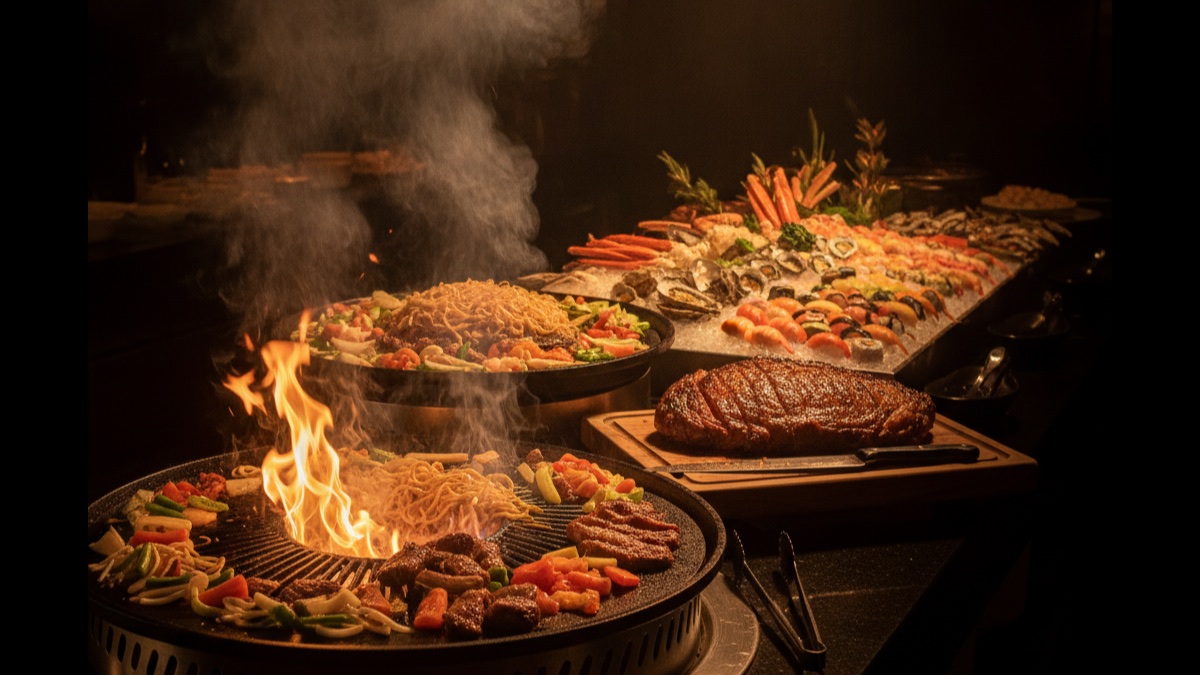
Walk into an all-you-can-eat spot at noon and again at 7 p.m. and you're basically looking at two different restaurants. The lineup shifts, the crowd changes, and — most importantly for your wallet — so does the price. So which sitting actually gives you the better deal? The honest answer depends on how you eat and what you're in the mood for. Here's a practical way to think it through before you go.
The price gap is smaller than you think
At most family buffets in the Inland Empire, lunch runs a few dollars cheaper than dinner. Paradise Buffet in Montclair sits right in that range, and you can see the current lunch and dinner numbers on the prices page. That few-dollar difference is the whole debate in a nutshell: is the extra spend at dinner worth what shows up on the line after the sun goes down?
For a solo diner grabbing a quick, filling meal, lunch almost always wins on pure math. For a group treating a meal as the main event of the evening, dinner's upgrades often justify the bump.
What you actually get at lunch
Lunch is the value play. The core of the buffet is all there — the Mongolian BBQ grill where you build your own bowl, the salad bar, hot entrées, sushi rolls, and dessert. If your favorites live in that everyday rotation, you're paying less for the same experience you'd get later in the day.
Lunch also tends to be calmer. You move through the stations without a wait, the grill line stays short, and you can actually take your time. If you like a relaxed pace and don't need the fancier proteins, midday is hard to beat.
What dinner adds
Dinner is where the higher-cost items usually appear. Think carving-station prime rib, more seafood on ice, and a fuller spread of hot dishes that aren't always out at lunch. If your plan is to lean into prime rib and seafood, the dinner price can work out to a genuine bargain compared with ordering those same items à la carte anywhere else.
There's an atmosphere factor too. Dinner is the natural choice for birthdays, family get-togethers, and weekend outings when nobody's rushing back to work. Fridays and Saturdays also run later, so there's more breathing room for a long, unhurried meal.
Timing is its own strategy
Two clock-based tips can tilt either sitting in your favor:
- Go early or late within the window. Arriving right when a fresh batch hits the line means hotter food and fuller trays. The tail end of a rush can mean waiting on refills.
- Mind the weekend hours. Sunday through Thursday the kitchen closes earlier than Friday and Saturday. If you want a leisurely late dinner, aim for the weekend. Double-check the current hours before you drive over.
A simple way to decide
Ask yourself three quick questions:
- Am I here to eat efficiently or to celebrate? Efficiency leans lunch; celebration leans dinner.
- Do I care about prime rib and seafood? If yes, dinner earns its keep. If you're a Mongolian-BBQ-and-sushi regular, lunch already covers it.
- How much time do I have? A short break rewards the quieter lunch crowd; a free evening is made for the dinner spread.
The verdict
There's no single winner — there's a right pick for the day you're having. Lunch is the smart-money choice for everyday, no-fuss eating. Dinner is the value pick when you want the premium items and the room to linger. Either way, the trick to getting your money's worth is the same: eat what you actually love, pace yourself across the full menu, and don't fill up on bread before you've made it to the grill.