 Paradise Buffet
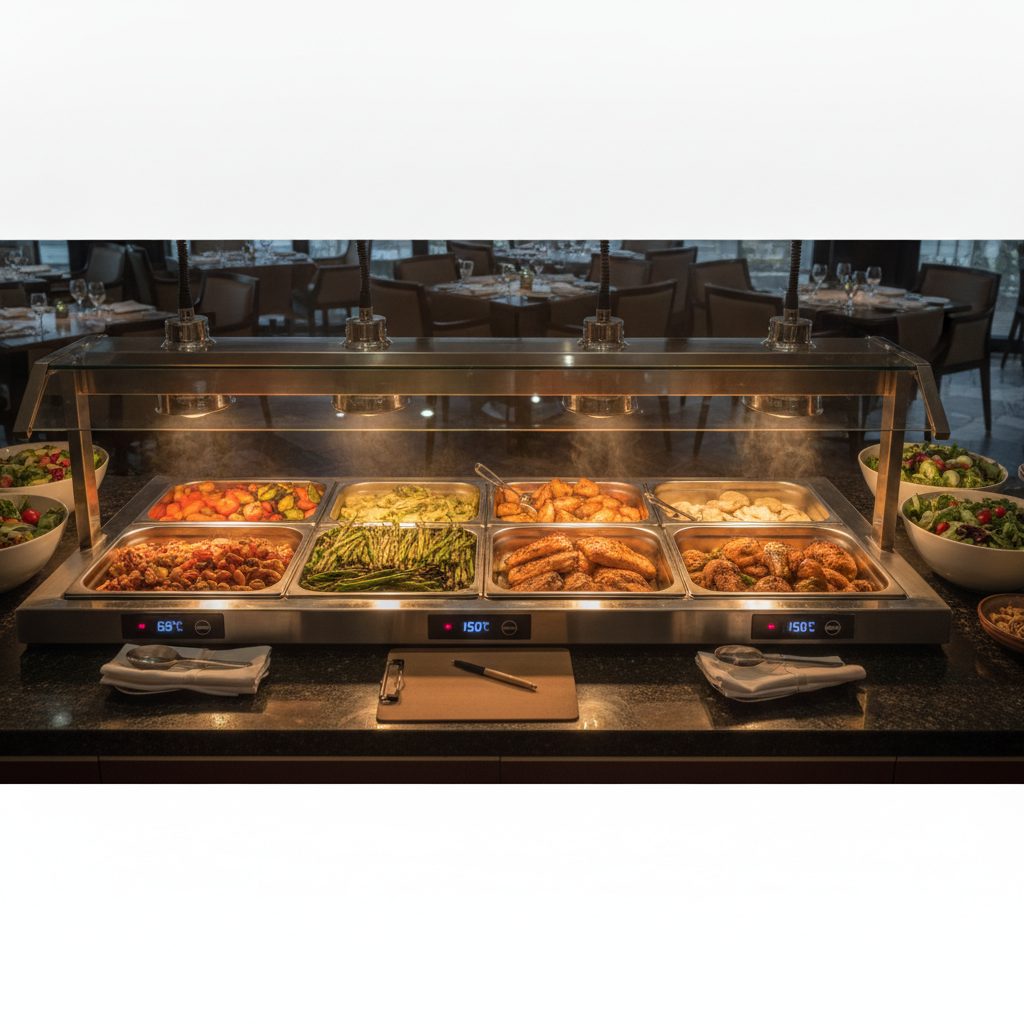
The Trigger: Prevention Over Reaction
The FDA just updated its model food safety rulebook used by restaurants and delis, working the opposite way from reactive regulation, and that's the most important thing to understand about the 2026 Food Code. In the 2026 Food Code, a food safety management system is a written set of actions a kitchen takes to prevent foodborne illness risk factors, including written procedures, training plans, and monitoring records. Within four years of a state or local health department adopting the 2026 code, every food establishment needs a written food safety management system that is kept up to date, used during all hours of operation, and shown to the inspector on request. Read more at Tap Series.
Why This Matters More Than You Think
Most diners think food safety is about clean gloves, hot holding temps, and cold holding temps. Those things are still important. But the 2026 shift reveals a blind spot in how buffets (and many restaurants) have operated for decades: they responded to problems after they happened, instead of building a system to keep problems from happening in the first place.
A buffet restaurant without a written system is like a ship without navigation charts. Staff might remember to check temperatures. Or they might be understaffed and distracted. A manager might assume that "we've never gotten sick from that station" means we're safe, when really it's just luck. A written illness policy changes that math, and the 2026 Code's big bet is making the conductor role mandatory: a written system, a trained person in charge, and verification that it actually runs during every shift.
Here's the uncomfortable truth: most buffets have been casual about their safety protocols because there's been no teeth in the old rules. The new requirement for written systems, verified and ready for inspection, means establishments that have been winging it will either have to step up or face regulatory pressure. That's good for consumers, but it also means restaurants have to invest in real infrastructure, not just good intentions.
What This Means for You in Montclair
If you're dining at an all-you-can-eat buffet or Mongolian grill (like Paradise Buffet), this code change signals something worth noticing: restaurants that take safety seriously will have documentation. They'll have records of temperature checks, cleaning schedules, and staff training. Restaurants that drag their feet might be the same ones where cross-contamination slips through the cracks or cold food lingers at 50 degrees on the line.
As a diner, you can't inspect a kitchen, but you can ask subtle questions. If the buffet looks immaculate and staff is attentive to restocking and rotation, that's usually a sign of a well-managed operation. If things look scattered and the same person handles both raw and cooked food without changing gloves, you're seeing the absence of that written system in action. Safe food usually comes from doing dozens of small things correctly, over and over again.
The 2026 code doesn't change overnight. California and San Bernardino County (where Montclair sits) will adopt it on their own timelines, and establishments will have up to four years to full compliance. But smart operators are already building their systems now, not waiting for the deadline. When you're choosing where to eat in the Inland Empire, that difference is worth knowing about.
For reservation or menu details, check Paradise Buffet's reservation page or buffet menu for the latest offerings and hours.
Related: Events · More guides
Written with AI assistance and checked against the public sources linked above. Independent info, not affiliated with the restaurant. Verify hours and prices with the restaurant.