 Paradise Buffet
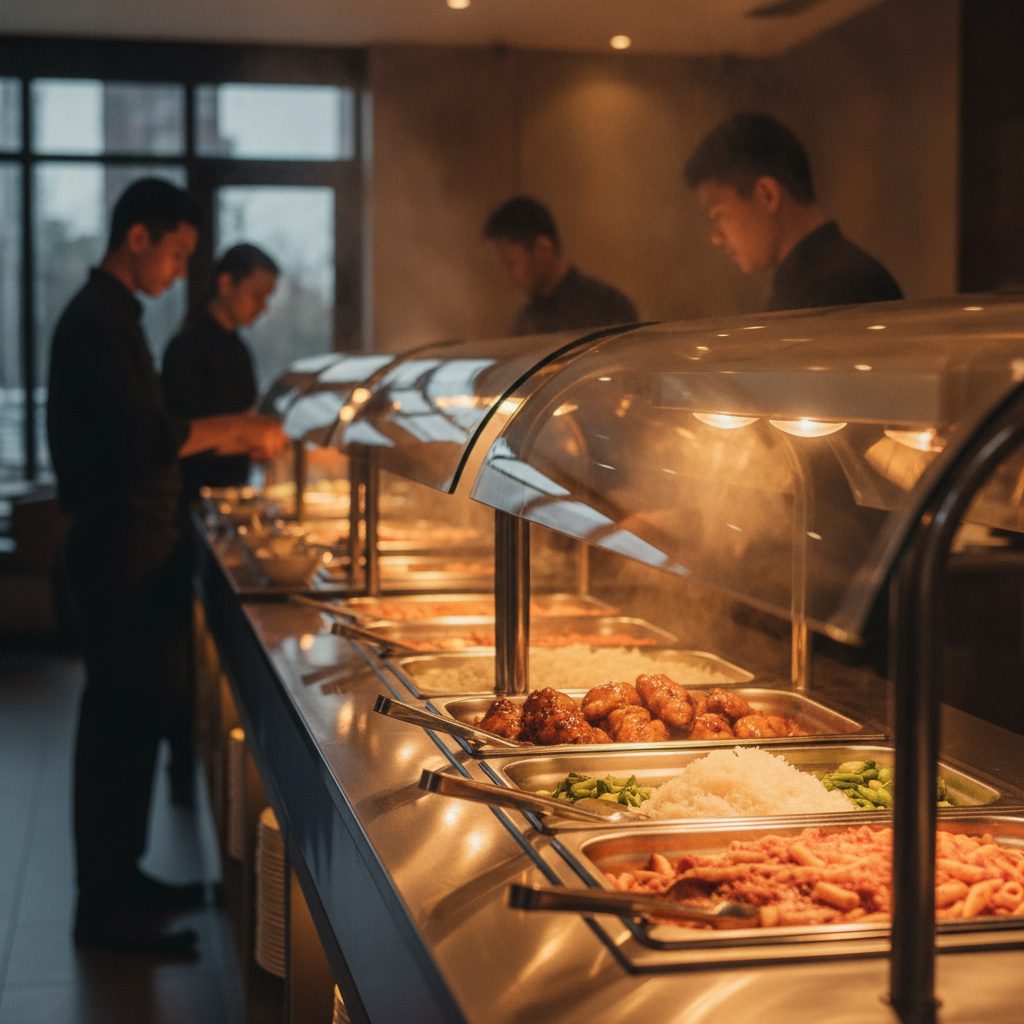
Reacting to: Food Safety Magazine (FDA 2026 Food Code Release)
The Trigger: FDA Updates Its Food Safety Playbook
The FDA released the 2026 Food Code on September 17, updating its model food safety provisions for retail, foodservice, and food vending operations for the first time since 2022. The 2026 Food Code includes new provisions addressing food defense, food safety management systems, employee illness policies, disinfection of equipment and utensils, food employee glove use, reusable containers, cooling methods, and other areas. Most changes are procedural, not menu-facing, but one issue matters directly to buffet safety: Time as a Public Health Control, allowing some foods to sit outside active temperature control for a limited time only if the restaurant follows strict written procedures, now receives stricter attention during busy service.
The Reaction: New Rules Don't Fix the Real Problem
Here's the uncomfortable truth: updated FDA guidance helps restaurants that care, but it won't save you from the buffet where nobody's watching. The 2026 changes are well-intentioned but miss the point. They focus on management infrastructure, documentation, employee training protocols, equipment standards, cooling timelines. All important. But buffet safety has always been a two-person job: the restaurant doing its part, and you doing yours.
The FDA's emphasis on written food safety management systems and employee illness policies shows regulators are thinking like risk managers, not like diners. That's useful for inspectors and operators, but it doesn't change what matters most: whether the sneeze guard is actually there, whether hot foods stay above 140 degrees, and whether a buffet attendant is watching the stations during service. Those things were already required. The new code just adds paperwork to prove it happened.
What's worse, the 2026 Food Code remains a model. The FDA Food Code is a model set of food safety guidelines created by the FDA for restaurants, retail food establishments, and health departments. Local and state agencies decide whether to adopt it into their own regulations. California doesn't instantly adopt federal updates. Your local health department decides when and how to enforce the new standards. That means compliance timelines vary wildly across the Inland Empire and Montclair.
The real issue is enforcement opacity and diner accountability. Food safety in a restaurant is enforced by your local health department, which follows federal guidance from the FDA Food Code and, in some cases, USDA regulations. But health inspection scores don't appear on your Google search before you book. You can't compare two buffets by their actual compliance track record because that data is hard to find, scattered across county websites, or not publicly reported in user-friendly format.
What It Means for Inland Empire and Montclair Diners
Don't wait for better federal rules to protect you. The onus is yours. Before your next buffet visit, check three things: sneeze guards are present and clear, food stations have thermometers visible, and staff is actively attending the buffet during your meal. If any of those three are missing, leave. The restaurant's 2026 FDA Food Code compliance plan doesn't matter if the basics aren't visible.
Second, use your local health department's inspection database. San Bernardino County's Environmental Health Division and Los Angeles County's Department of Public Health both publish inspection reports online. Search by restaurant name. A buffet with consistent violations around temperature control or cleanliness is a red flag no FDA update will fix. The FDA's Food Traceability Final Rule took effect on January 20, 2026, and requires businesses that handle foods on the FDA's Food Traceability List, which includes leafy greens, fresh herbs, shell eggs, and certain fresh produce, to maintain enhanced traceability records. This means any buffet with prepared Asian cuisine or fresh salad stations should have supply chain documentation. It's harder to see, but ask staff if you have allergies.
Third, pick your visit timing. New FDA guidance on time-temperature control doesn't change the fact that buffets slow down during off-peak hours. A weekday lunch visit to a Mongolian BBQ or sushi bar in Montclair means fresher rotations, fewer people double-dipping, and staff attention that's less stretched. Peak dinner hours are when corners get cut and temperatures slip.
Paradise Buffet offers prime rib, sushi, Mongolian BBQ, and Asian cuisine. Check the menu and plan accordingly. The 2026 Food Code matters to the restaurant's operations team, but your safety is determined by whether you show up when they can actually follow the rules, and whether you're willing to walk out if they aren't.
Related: Events · Reservations · More guides
Written with AI assistance and checked against the public sources linked above. Independent info, not affiliated with the restaurant. Verify hours and prices with the restaurant.