 Paradise Buffet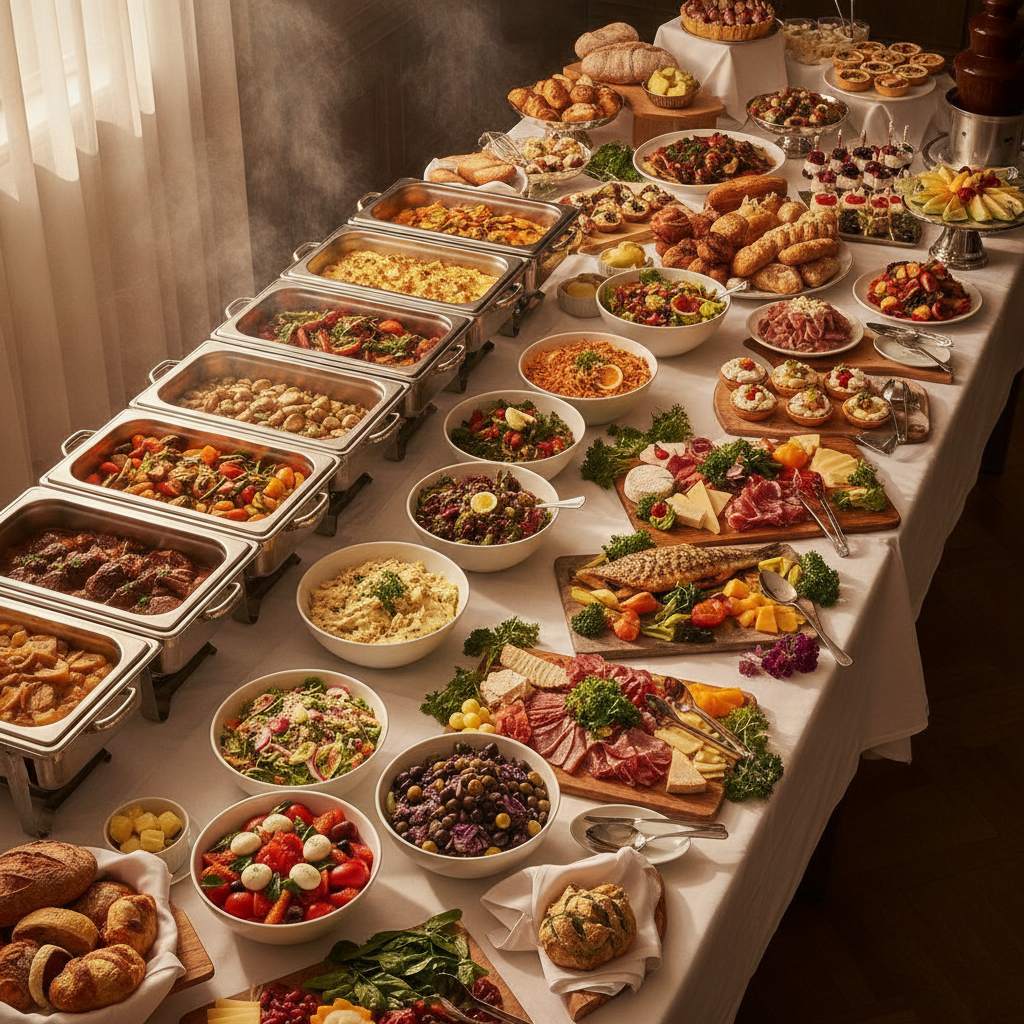
The Real Reason Buffet Searches Exploded in 2026
Yelp released its 2026 Trends Forecast and found that searches for "all-you-can-eat buffet near me" surged 252% between September 2024 and August 2025. The headline story is straightforward: Americans are broke, menu prices are climbing, so they're fleeing to buffets. Simple economics.
But that's only half the story. And if you accept only half the story, you'll miss what buffets are actually winning on.
Control Beats Price Every Time
Yes, a buffet meal costs less per person than a sit-down entree with sides. Yes, California restaurant bills have gotten painful. That matters. But there's something bigger happening in how people think about dining.
At a regular restaurant, the menu pressure is real. You order a dish, it arrives, and you're locked in. Too rich? Too much? Too little protein? Bad luck. You pay the same either way. There's no negotiation. And there's an invisible judgment: finish your plate, or you wasted money.
At a buffet, you walk the line. You take what you want. You skip the butter-heavy cream sauces if you prefer lean protein. You load up on vegetables if that's what satisfies you. You can try three things or twelve. You can go back. You own the outcome. That's not desperation pricing, that's agency.
In a California economy where every meal out feels like a calculated risk, that control is worth something. It's worth something to families with mixed preferences (kids, adults with different diets, someone avoiding certain oils or spices). It's worth something to people who've been burned by portion-to-price ratios. It's worth something to anyone who doesn't want to perform satisfaction on command.
What This Means for Montclair and the Inland Empire
If you live or work here, you've noticed: buffets aren't a novelty. They've been part of the local restaurant fabric for years. Paradise Buffet is in that mix, offering American and Asian options, Mongolian BBQ, and sushi alongside prime rib.
The 252% surge in search interest isn't newfound hype for buffets as a concept. It's a reminder that the value proposition is still underrated and under-explored by people who've been avoiding buffets out of old stigma. The surge is curiosity and switching behavior.
For you, that means buffets here are busier than they used to be. It also means they're increasingly designed with the 2026 diner in mind: cleaner presentation (no piles), more interactive stations (Mongolian BBQ, sushi made to order), better variety (addressing the idea that buffets used to be one-note). That's not lazy food service anymore. That's intentional.
If you've never tried all-you-can-eat as an adult, or you've dismissed it as "cheap," this is the moment to reconsider. The math is legitimate, but the real win is control. You decide how much protein, how much spice, how much of your budget goes to your meal. That's worth driving to.
A practical note: buffets work best when you arrive hungry, move with intention (not panic), and eat at a pace that lets you enjoy what you chose. Make a reservation if the restaurant takes them during peak hours, and check if there are any specials or themed nights that appeal to your palate. A buffet isn't a race.
The Larger Shift
The buffet surge reflects something beyond price anxiety. It reflects diners tired of being told what a meal should look like, what size is "normal," what they should feel guilty about ordering. That friction has a cost, and Americans are finally pricing it in.
If you're in the Inland Empire and eating out feels like an ordeal every time, stepping into a buffet isn't settling. It's solving a problem the conventional restaurant model created.
Written with AI assistance and checked against the public sources linked above. Independent info, not affiliated with the restaurant. Verify hours and prices with the restaurant.