 Paradise Buffet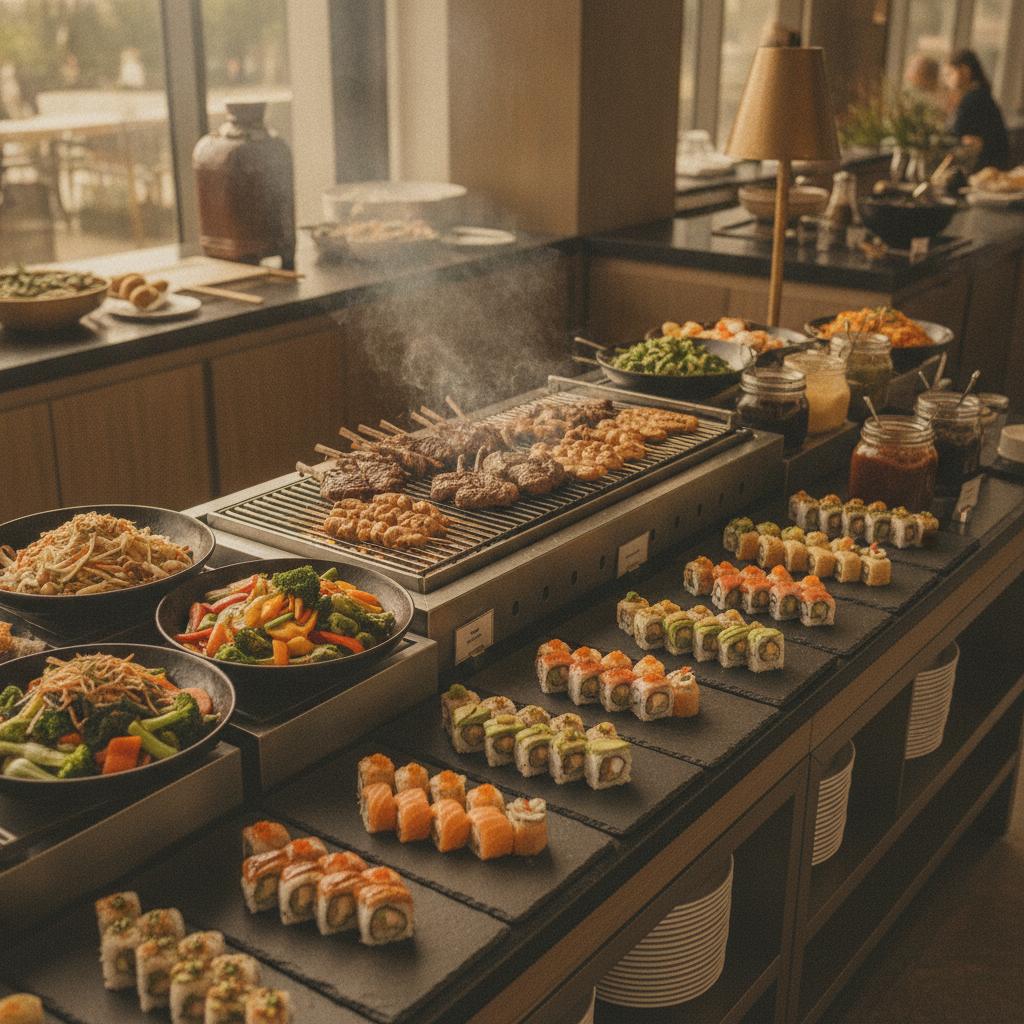
The Trigger: Yelp's 2026 Trends Forecast revealed that searches for "all-you-can-eat buffet near me" surged 252%, the largest uptick among all dining categories. Meanwhile, food-away-from-home prices are rising 3.7% in 2026, above their 20-year historical average of 3.5%. Restaurant inflation is outpacing grocery inflation by a wide margin. The math seems simple: people want all-you-can-eat to save money as dining out becomes a luxury.
But That Story Is Too Simple
Yes, cost matters. Of course it does. But the massive spike in buffet searches is not just about desperation or penny-pinching. If it were pure value-seeking behavior, we'd see bigger searches for discount chains, dollar menus, and food trucks. Instead, the growth is strategic and deliberate.
Here's the real shift happening: Diners are rejecting the hidden-price model of casual dining. A burrito in San Diego has jumped from $8.59 to $10.19 in a few years, and you get one burrito. A restaurant meal in California is now a negotiation between sticker price, portion size, tip, and whether you actually leave satisfied. Buffets eliminate the negotiation. You see the food. You know the cost. You control the portion.
This is not nostalgia for the all-you-can-eat boom of the 1990s and 2000s. This is rational consumer behavior in an economy where traditional dining has become unpredictable and occasionally insulting. The buffet format is winning not because it's old, but because it's honest.
What Matters for Diners in the Inland Empire and Montclair
If you live in the Inland Empire or Montclair, California, this trend has direct implications for how you eat out without exhaustion. First, the buffet boom means operators are investing in food quality and rotation because repeat business now depends on it. A buffet restaurant cannot hide behind marketing or atmosphere like a traditional table-service spot. Your eyes judge everything. That pressure is real.
Second, pricing power for buffets is different. A flat fee per person removes the psychological sting of a $5 price bump on individual items. You budget one number, not a dozen. In a region where dining budgets are tight and inflation is persistent, that simplicity is worth something.
Third, this surge proves that diners in your area are already voting with their searches. The format works for mixed-cuisine concepts, American, Asian, Mongolian BBQ, and sushi in one place removes decision paralysis and maximizes perceived value. If you are bringing a family or a group with different tastes, a buffet lets everyone get exactly what they want without waiting for five separate orders.
One caution: this is also why food safety and freshness matter more now. Buffets survive on trust. If the prime rib looks dry or the sushi sits under heat lamps, word spreads instantly through Yelp and local networks. Operators who cut corners on rotation or hygiene will lose customers fast in 2026. Diners are not just seeking value, they are seeking value they can see and trust.
The real question for you is not whether buffets are cheaper on average, because that varies by location and visit frequency. The question is whether the format matches your dining goals and psychology. If you eat out to explore and try multiple things without overspending per plate, or if you are feeding a family with varied tastes, buffets are rational again in 2026. Not because you are broke, but because the math finally makes sense compared to the hidden costs of traditional table service.
Check the reservation page or contact the restaurant for current hours, pricing, and any seasonal adjustments. Buffet economics shift with food costs, so confirm your visit details in advance.
Written with AI assistance and checked against the public sources linked above. Independent info, not affiliated with the restaurant. Verify hours and prices with the restaurant.