 Paradise Buffet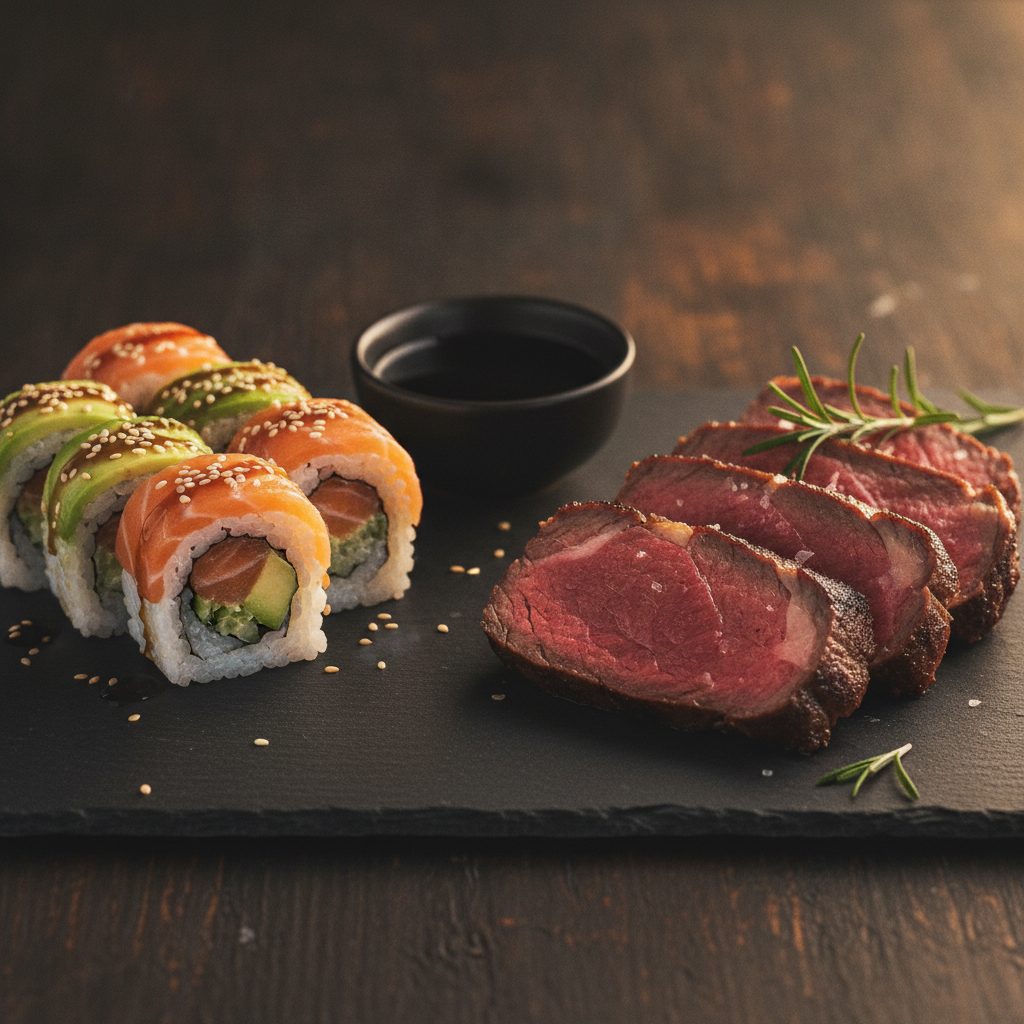
The Buffet Industry Is Moving Beyond "More"
Across restaurants and hotels in 2026, operators are embracing curated presentations, smaller batch cooking, and hybrid formats that combine self-service with chef-led stations. This shift reflects a fundamental rethinking of what buffet dining should deliver. The buffet has shifted from a volume-driven model to an experience-driven platform, according to industry leaders tracking the change. For years, the buffet promised maximum choice and unlimited quantity, but that model is quietly dying, replaced by something more intentional.
This isn't abstract restaurant industry talk. It directly changes what you experience when you walk into an all-you-can-eat restaurant in Montclair or anywhere in the Inland Empire. And honestly, it's overdue.
Why This Matters to You as a Diner
The old buffet model treated quantity as proof of value. More steam tables, more choices, more heaps of food. The problem: restaurants competed by cutting corners on freshness, quality, and presentation. Smaller batches cooked throughout service meant fresher sushi and prime rib stations that didn't sit for hours. Curated menus meant the kitchen focused on doing fewer things exceptionally well rather than 50 mediocre items.
Here's the honest take: if you've ever skipped past half the buffet because the food looked tired or tasted bland, the industry was failing you. You were paying for volume you never wanted. The new model assumes you're smart enough to prefer three excellent dishes to ten average ones.
Chef-led stations matter too. Someone is actually cooking the Mongolian BBQ, sushi, or carving station food in front of you or to order, rather than batch-prepping it hours ahead. This model reduces waste, improves safety by preventing food from sitting at unsafe temperatures, and gives you better food. It also requires more skilled labor, which is why you'll see it adopted first at restaurants committed to quality.
What This Means for Your Next Montclair Visit
When you dine at an all-you-can-eat restaurant in the Inland Empire, watch for these shifts in action:
- Smaller portions on your plate initially, with the option to return multiple times (instead of one massive first trip that guarantees leftovers or buyer's remorse).
- Fewer total items on display, but each one rotated fresh throughout service.
- Interactive stations where someone is cooking to order, not reheating from a pan.
- Cleaner, more intentional table setups that make the food itself the focal point, not clutter.
For restaurants like Paradise Buffet in Montclair, this evolution is an opportunity to differentiate. An all-you-can-eat buffet that controls portions intelligently and prioritizes fresh, chef-prepared items competes on experience, not price. That's a winning move in a market where diners are increasingly skeptical of "cheap all-you-can-eat" promises.
The practical benefit for you: stop trying to make the buffet "worth it" by overstuffing your plate. The value proposition is shifting. You're paying for quality, freshness, and the freedom to try variety without commitment, not for the weight of food on your plate. Check what's available on the menu before you visit, so you know what kitchen focus areas matter most to you.
If you've felt disappointed by all-you-can-eat dining lately, this industry shift is the reason why. And it's changing. The restaurants that embrace quality-first buffet design will thrive. The ones clinging to the "more is more" era will struggle. That's already happening in 2026, and smart diners should notice the difference.
Book your next visit and see for yourself what a modern buffet experience feels like. Or reach out if you have questions about what to expect.
Written with AI assistance and checked against the public sources linked above. Independent info, not affiliated with the restaurant. Verify hours and prices with the restaurant.