 Paradise Buffet
Reacting to: Fox News Food & Drink
Why Buffet Crowds Changed the Etiquette Equation
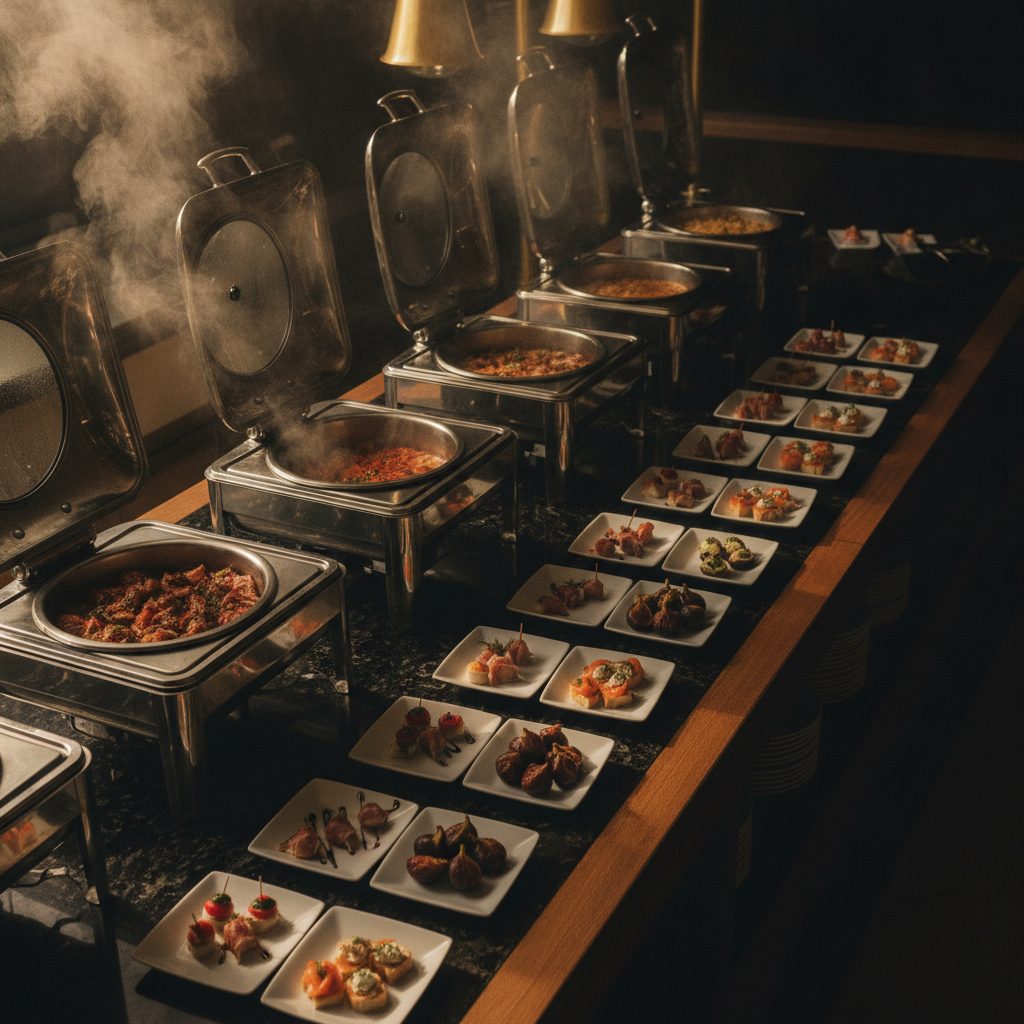
Yelp's 2026 Trends Forecast found that searches for "all-you-can-eat buffet near me" surged 252%, making buffet restaurants busier than they have been in years. For generations, buffet etiquette was treated like an afterthought, something nice to have but not essential. When buffets were a niche format or a quieter dining choice, one person cutting line or lingering over dishes caused minor friction. Today, that same behavior cascades into safety risks and poor experiences for dozens of strangers trying to eat.
The cultural shift matters: Asian cuisine drives "much of this [buffet] revival," according to Yelp, which means interactive stations like Mongolian BBQ, sushi bars, and hot-pot buffets are pulling crowds expecting social, shared dining. But shared dining only works when everyone respects the rhythm. When lines get long and food sits under lights longer, etiquette stops being courtesy and becomes a food safety and operational necessity.
Etiquette Is Now a Safety Tool, Not a Rule Book
Most people think of buffet etiquette as manners: don't cut line, use clean plates, tip your server. Those still matter. But what has changed is why. Buffets present unique food safety challenges because food sits exposed for extended periods, is handled by many people, and must maintain safe temperatures throughout service. When you move through the line slowly, you increase the time that every person behind you is exposed to open food. When you hover, talk, or lean over dishes, lingering over open food containers while talking, reaching across dishes, or leaning over the buffet increases the risk of contamination from hair, clothing, or respiratory droplets.
Your buffet behavior in 2026 isn't just about being polite. It directly affects whether the food stays in the safe temperature zone and whether cross-contamination happens. Most buffet contamination stems from diner behavior, not kitchen failures. That means your personal discipline is part of the restaurant's food safety system, whether the staff is watching or not.
The Four Behaviors That Matter Most Now
Keep line pace intentional, not leisurely. When buffet searches surge 252 percent, standing at the buffet line deciding between item three and item four for two minutes means twenty people are breathing down your neck and your plate time is pushing hot food into the danger zone. Take only what you can reasonably eat, and avoid piling your plate with excessive food.
Use clean plates and utensils every trip. Always grab a fresh plate for each trip. It is a health rule, not just a preference, and it keeps cross-contamination risks low. This matters especially when foot traffic triples on a busy Friday night.
Don't circle back aggressively. You should also refrain from doubling back at any point. You can always get back in line or go up for single items, but once you pass by a dish, you've basically relinquished your right to it in line. When lines are long, cutting back changes the entire flow.
Tip appropriately. A standard tip of 15-20% of the pre-tax bill is appropriate, but you can undoubtedly tip more for exceptional service or if you've had a particularly messy meal. Staff are working harder during peak hours, and they are the actual guardians of food safety on the floor.
What This Means When You're Dining in Montclair or the Inland Empire
The 2026 buffet boom is real, and it's good news for variety-seeking diners and families with mixed preferences. But it also means your local buffet is likely busier than it used to be, which means your personal etiquette now has amplified consequences. The buffet format only works at scale when everyone participates in keeping it orderly and safe.
When you visit an all-you-can-eat restaurant like those in the Montclair area, check the basics before you decide it's the right fit for your group: make a reservation during quieter times if you prefer a more relaxed pace, or confirm the menu offerings in advance so you know what to expect. If you are bringing children, supervise children who are serving themselves at the buffet. Teach them that the line is about speed and respect, not greed.
Buffets in the Inland Empire are not more crowded because they are lower quality, they are crowded because they offer better value and more control in an expensive state. That control only exists if everyone honors the format's unwritten compact: you get to eat what you want, but everyone gets to eat safely and get through the line in reasonable time.
Read more dining guides and tips from local perspectives on buffet culture, or reach out with questions about specific dining concerns.
Written with AI assistance and checked against the public sources linked above. Independent info, not affiliated with the restaurant. Verify hours and prices with the restaurant.