 Paradise Buffet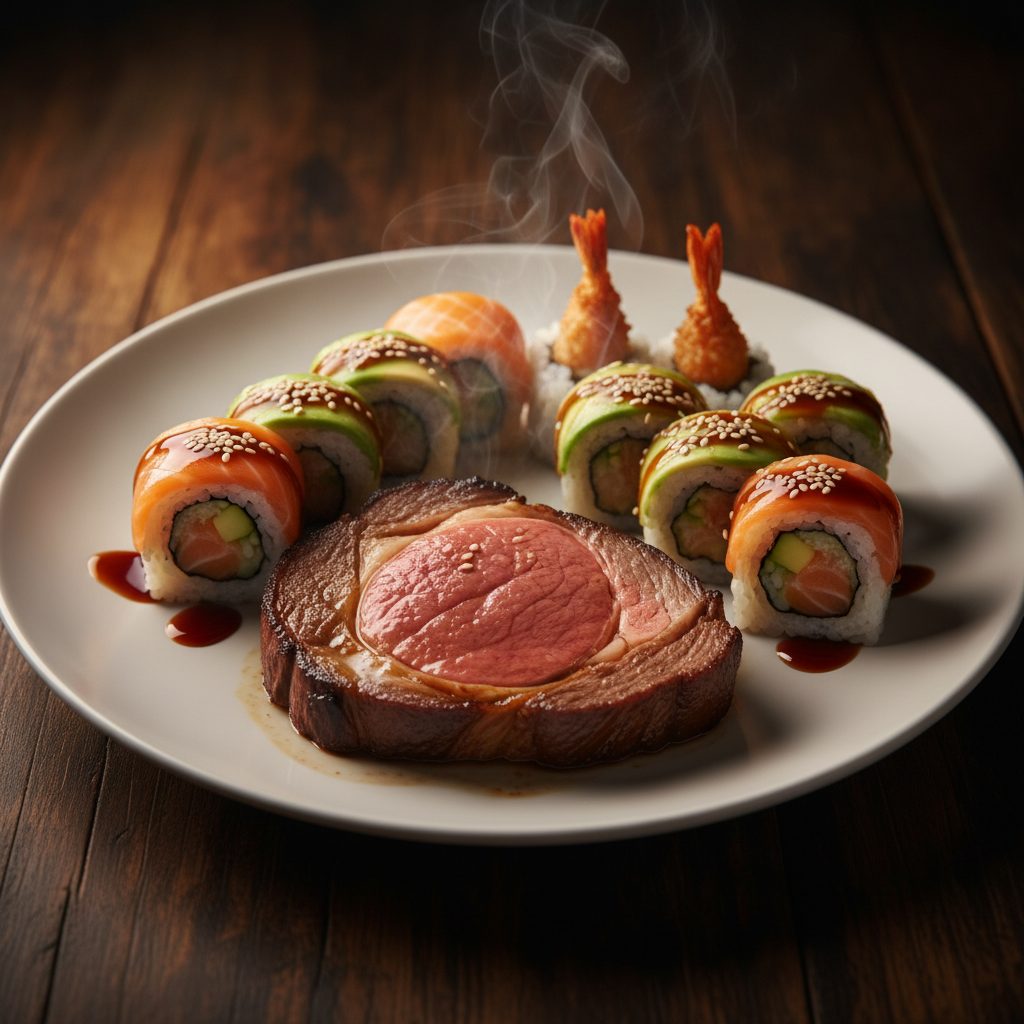
If you've read any dining-out reporting lately, you've probably seen the industry secret that buffet operations don't advertise: buffets place rice, noodles, pasta, and potato dishes up front to entice people to start with those, because carbohydrates are more immediately filling than other types of food, but much cheaper, and by front-loading them, your appetite is sated more quickly, and you'll skip the more expensive items. It's a smart business move that keeps operating costs down. But once you know the play, you can flip the script.
The buffet industry counts on diners who arrive hungry, grab a plate, and start loading without a strategy. Those customers pad the restaurant's margins. Daily Meal recently outlined the psychology buffets use to manage food costs, and the insight is blunt: if you fill up on the cheapest items first, the restaurant wins. You go home feeling okay but not optimized. That's the real loss for a buffet guest in California, where eating out at an inexpensive restaurant costs $16.50, a difference of $12.23 compared to eating in. When you're paying premium buffet prices instead of cooking at home, you should maximize the experience.
The Real Strategy: Reverse Engineer Your Plate
The key is simple: ignore the layout. Before you touch any buffet line at Paradise Buffet, walk the entire buffet (yes, exactly as the industry guides tell you to). Note where the prime rib sits, where the sushi is, where the Mongolian BBQ station operates, and where the Asian specialty items live. Those are the high-margin items for the restaurant and the high-value items for you.
Then do the opposite of what the buffet layout suggests. Skip the rice section on your first pass. Skip the noodles. Go straight for the premium proteins: the prime rib, the seafood if available, the prepared sushi rolls, the items that cost the restaurant the most and take the most skill to produce. Fill your first plate with these. Eat them while you're fresh and hungry. Then, if you want seconds, go back for the sides and starches.
This isn't cheating the buffet; it's honoring the value exchange. You're paying one fixed price. The restaurant is betting you'll fill up on cheap carbs. If instead you extract the expensive, flavorful items first, you're actually eating the meal you paid for, not a padded appetizer dressed up as dinner.
Why This Matters in the Inland Empire and Montclair
In a region where an inexpensive restaurant meal runs $16.50 versus $4.27 to eat at home, the decision to eat out is already a premium one. Buffets in Montclair like Paradise Buffet offer genuine breadth, variety, and the chance to try multiple cuisines in one sitting. But that value only exists if you're intentional about what you eat. If you let the layout do the thinking for you, you're paying restaurant prices to eat a carb-heavy meal you could assemble at home for a fraction of the cost.
The Montclair and Inland Empire crowd is savvy about money. You're not eating at a buffet because you can't cook. You're eating there because you want sushi, prime rib, Mongolian BBQ, and American fare in one meal. So treat it that way. Make a mental note of where the premium items sit. Build your plate around those. Pace yourself. When locals get smart about buffet ordering, they get way more pleasure per dollar.
Paradise Buffet stocks a real variety for an all-you-can-eat spot. The advantage is yours if you use it strategically. Don't blame the buffet for the layout; work around it. You'll actually taste the reason you went in the first place.
Related: The buffet menu · Events · Reservations
Written with AI assistance and checked against the public sources linked above. Independent info, not affiliated with the restaurant. Verify hours and prices with the restaurant.