 Paradise Buffet
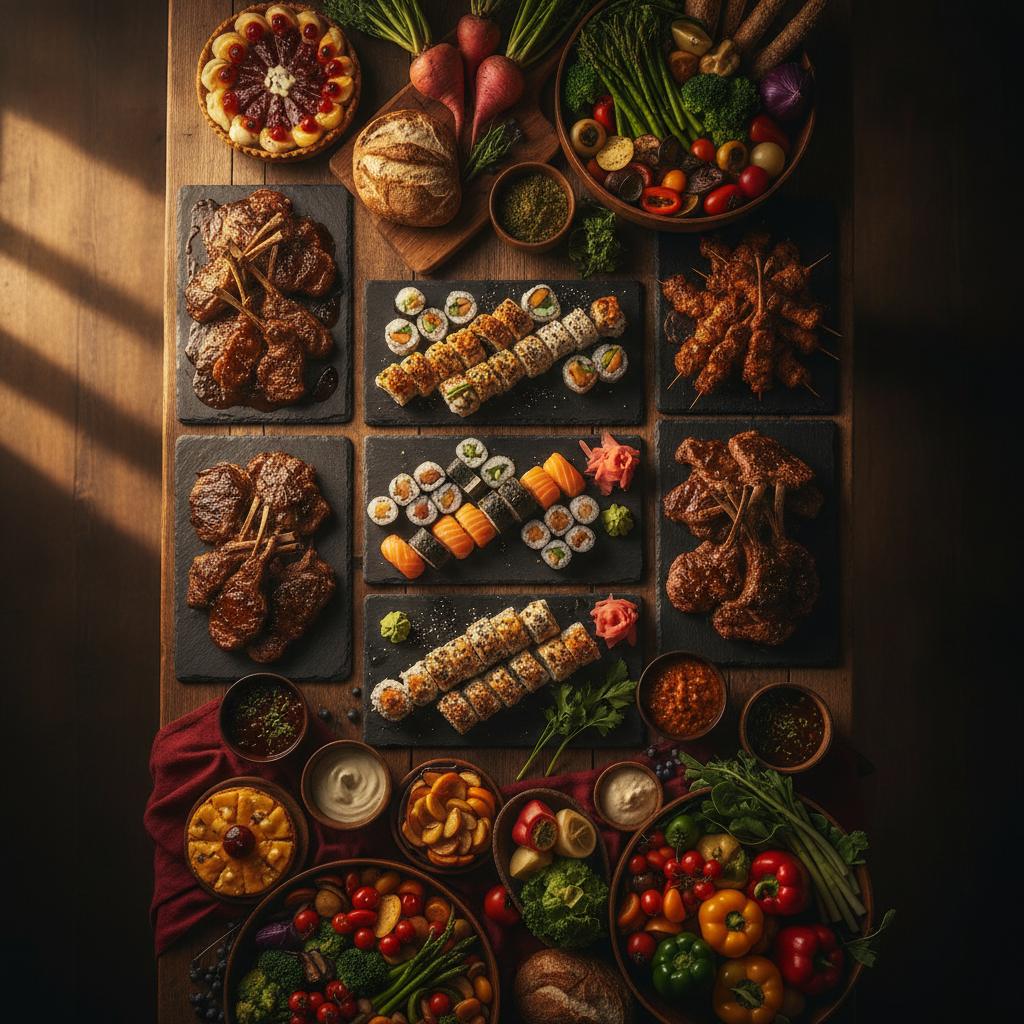
The Fresh Angle: Yelp's 2026 Trends Forecast shows searches for "all-you-can-eat buffet near me" surged 252%, with Asian cuisine driving much of this revival. When money gets tight and restaurant menus feel expensive everywhere, the all-you-can-eat format suddenly stops feeling like a budget compromise and starts feeling like a legitimate win.
The Math Doesn't Lie. But the Psychology Matters More.
Here's what makes the 2026 buffet surge different from the last time buffets had a moment: it's not about indulgence anymore. It's about control and predictability in a world where a casual restaurant meal in California can run you $25–$40 per person before you think about drinks, tax, or tip. One price, unlimited food, no surprises. That's not cheap nostalgia talking. That's rational budgeting.
The real insight, though, isn't that buffets are suddenly gourmet destinations (though some are trying). It's that Americans have gotten tired of being nickel-and-dimed. You order an entree, you want a drink, you want a side, and suddenly you're forty bucks in for one person. At a buffet, you pay one flat rate and make your own call about portion size, dietary balance, and what's worth the plate space. That agency matters psychologically, even if you never fully appreciate it at the table.
The data also tells us something uncomfortable: we've accepted that restaurant dining is expensive enough that people are actively searching for the all-you-can-eat option as a strategy, not a treat. That wasn't the vibe five years ago. The buffet isn't making a comeback because food got better. It's making a comeback because value became scarce.
What This Means If You're Eating in Montclair or the Inland Empire
If you live or regularly eat in the Inland Empire or around Montclair, this trend works in your favor. All-you-can-eat restaurants, including buffets with Mongolian BBQ, sushi, and American fare, are designed so you can calibrate your own experience. You can come hungry and load your plate heavy, or you can come for a lighter, more casual meal and treat it like a sampler menu. Neither choice feels wrong because you're not paying per item.
That flexibility is worth real money. Family dinner nights become experiments instead of budget crunches. You're not deciding between a vegetable side or protein; you choose both. Your kids can try three cuisines in one meal. You're not negotiating portion sizes with your wallet every five minutes.
The other thing the surge tells us: buffet places that pay attention to quality, rotation, and presentation are going to win loyalty. The 2026 diner isn't just hunting cheap; they're hunting smart cheap. A buffet with fresh, thoughtfully prepared options from multiple cuisines is no longer positioned as "budget dining." It's positioned as "flexibility and exploration at a fair price." That's a much stronger pitch, especially for families or groups trying to please different tastes in one meal.
If you've been hesitant about buffet dining, now's the time to rethink it. The format has never been more culturally aligned with what people actually need: predictable cost, control, variety, and the ability to eat as much or as little as you want without guilt or waste. The 252% search surge isn't a fad. It's a signal that Americans figured out what buffets were always good at.
Check out the menu options or make a reservation if you're ready to test this strategy yourself. Whether you're in the Inland Empire planning a group dinner or just tired of restaurant sticker shock, the buffet model might be exactly what your budget and appetite needed.
Related: Events · More guides
Written with AI assistance and checked against the public sources linked above. Independent info, not affiliated with the restaurant. Verify hours and prices with the restaurant.